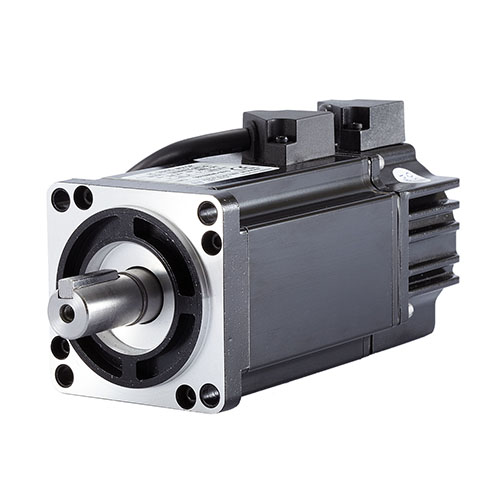
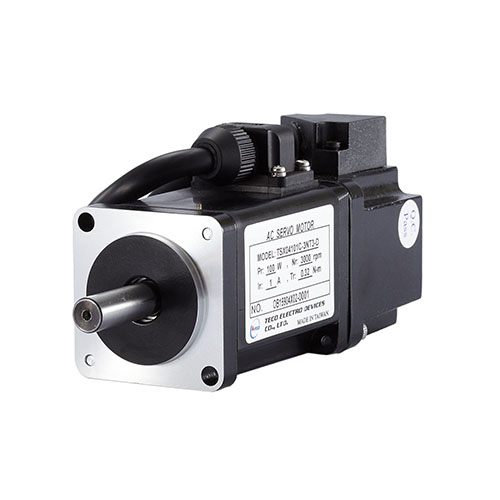
TSX Series Servo Motor
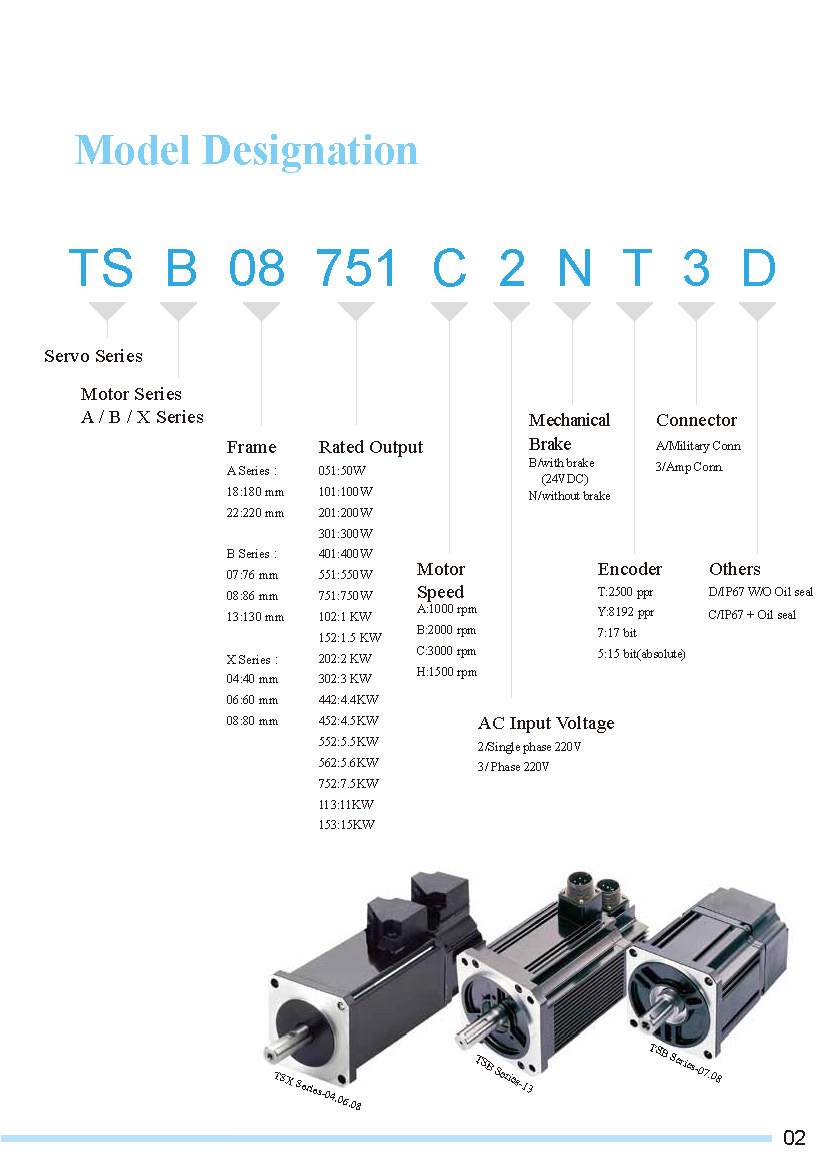
The TSX Series is a line of AC servo motors from TECO, designed for industrial automation applications that require precise speed, position, and torque control.
Key Features
Closed-loop control capability: As a servo motor, the TSX Series supports feedback (encoder/ resolver) for precise control of motion and torque.
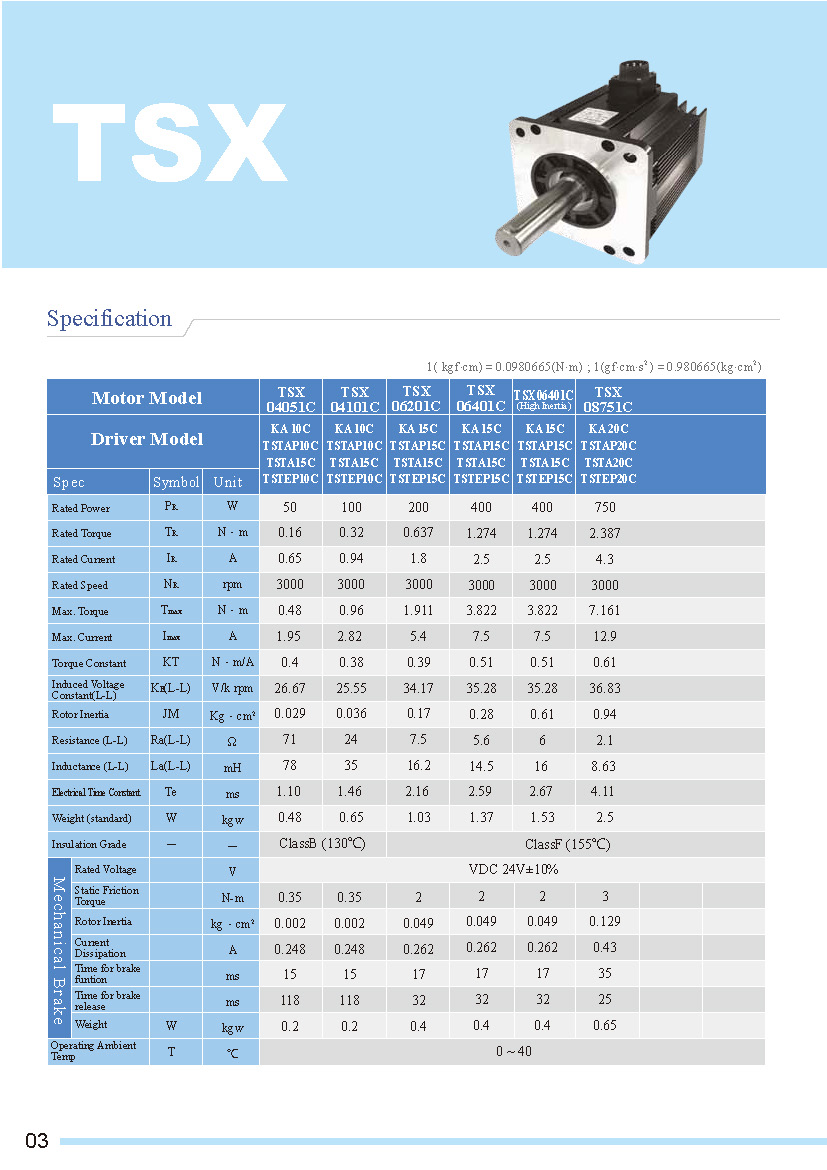
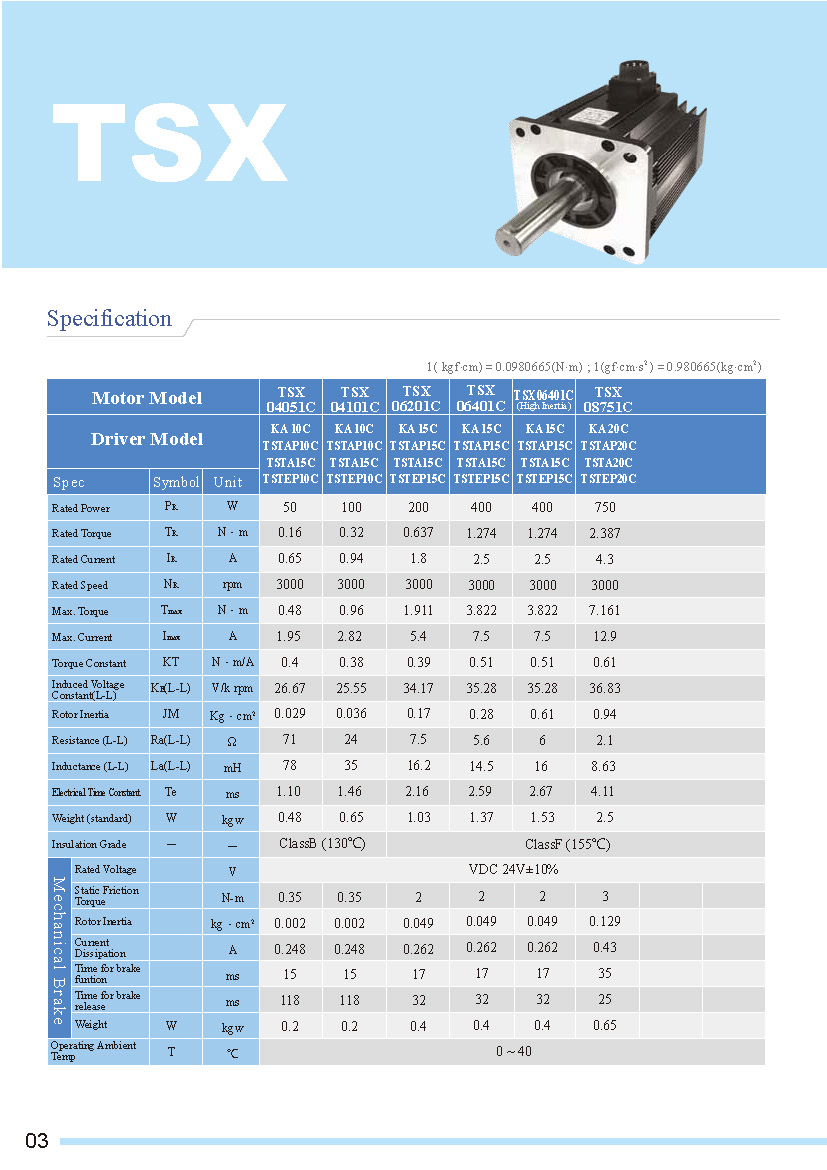
High-speed/moderate-torque class: With a 3,000 rpm rated speed in the 400 W class, it’s designed for axes requiring decent dynamics.
Compact and lightweight: For the power rating, the weight (~1.44 kg) suggests a well-optimized motor body for industrial integration.
Standard industrial compatibility: Matches usual mounting, shaft, and drive interface conventions for AC servo systems.
Part of a broader automation ecosystem: TECO refers to its servo systems, drives, and motors together as part of its automation solutions.
Typical Applications
Medium-duty motion control: pick & place, indexing tables, feeders in automation lines.
Machine tools or peripheral axes that require precise speed/position control but don’t require high torque.
Packaging, printing, textile machinery, or conveyor drives where a compact servo motor improves machine layout.
Upgrades of older systems that require a compatible servo motor/drive solution for retrofit work.
Design & Selection Considerations
Motor-Drive Matching: Ensure the TSX motor is paired with the correct TECO or compatible drive (in current, voltage range, encoder type).
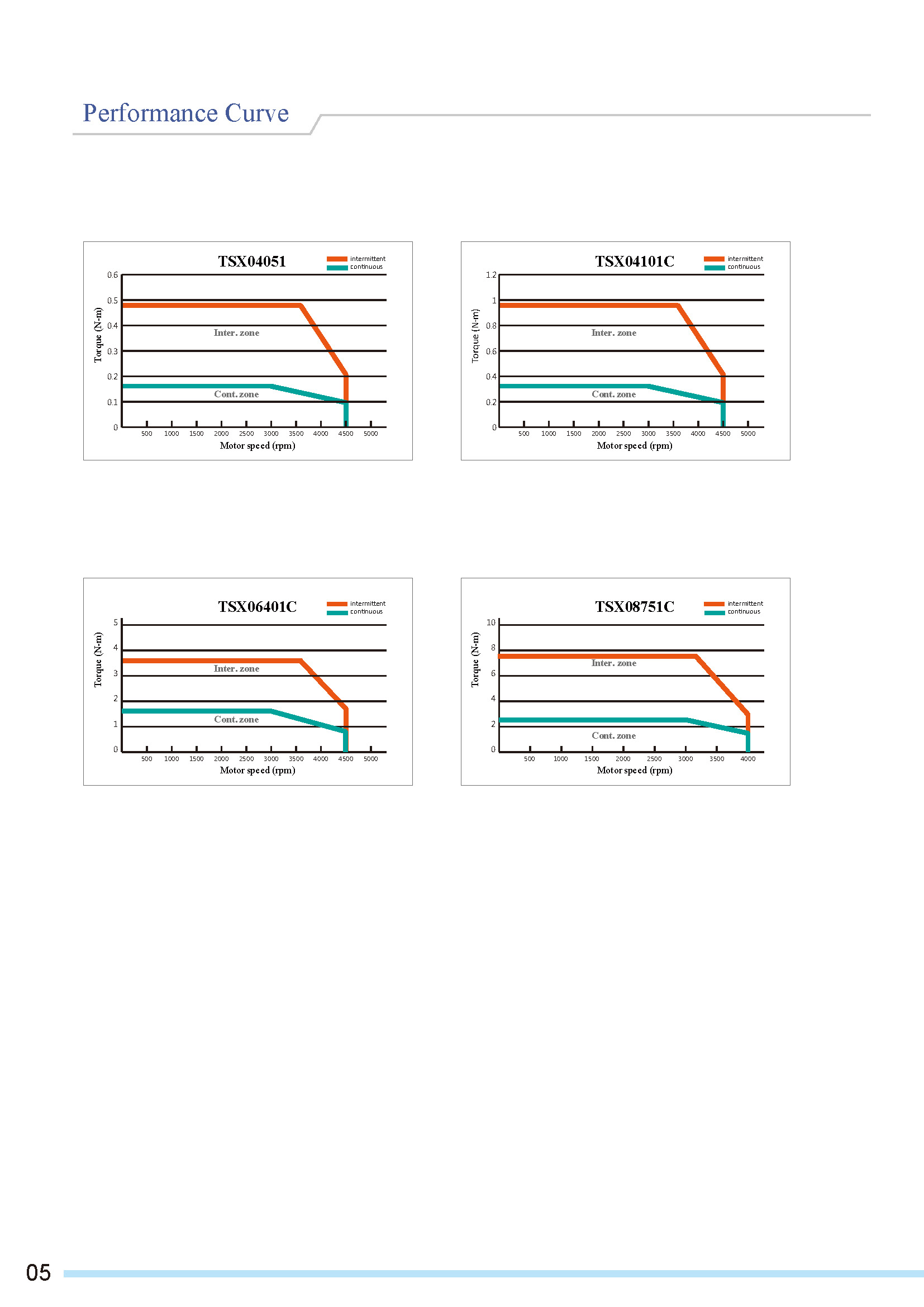
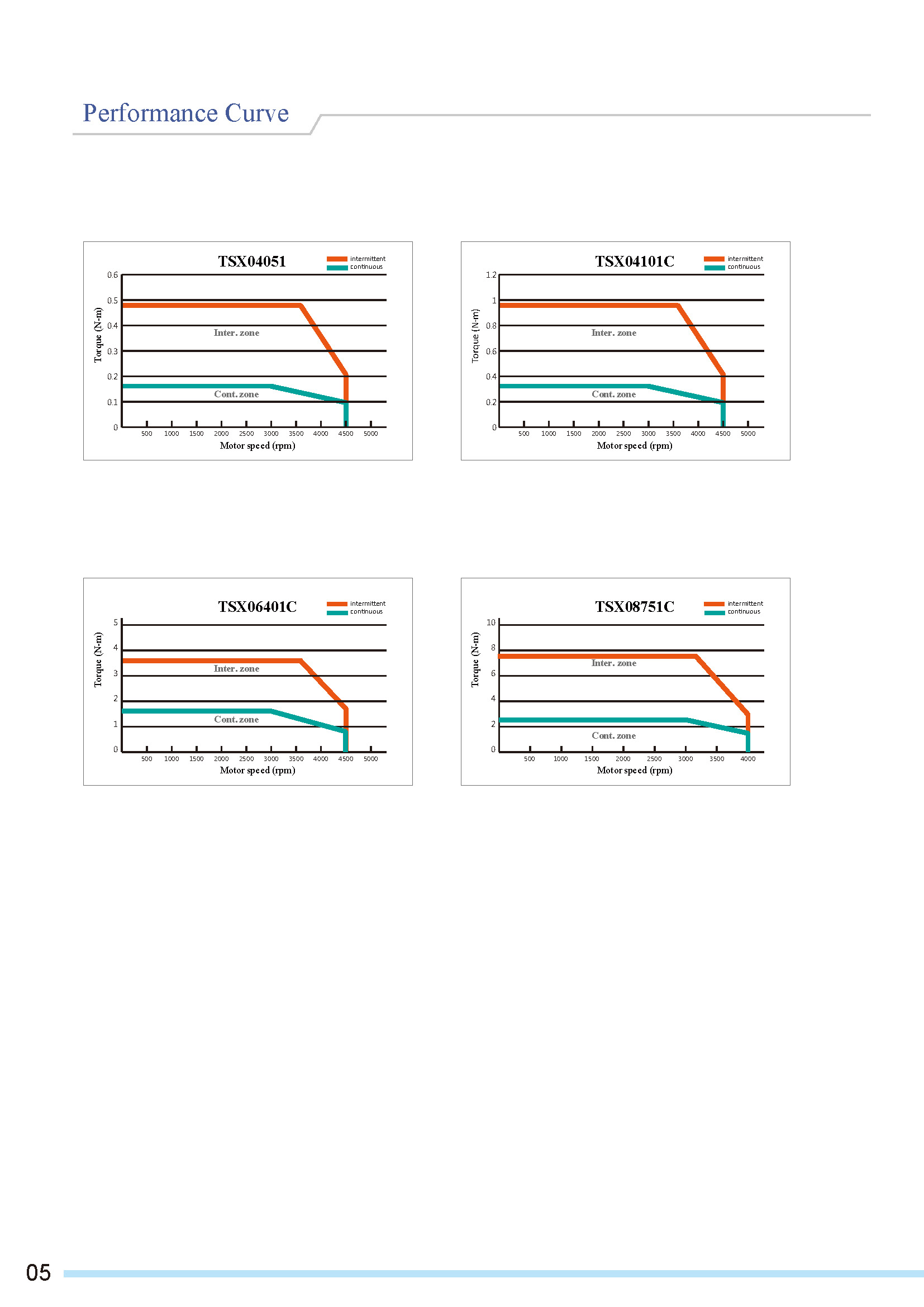
Torque & Speed Requirements: Verify that the torque output at the required speed meets the load’s demand, including any dynamic acceleration.
Feedback Type: Check whether the motor comes with an encoder/resolver, and what resolution or signal type is needed for your application.
Inertia Matching: Ensure the motor’s rotor inertia is well matched to the load inertia for stable closed-loop behaviour.
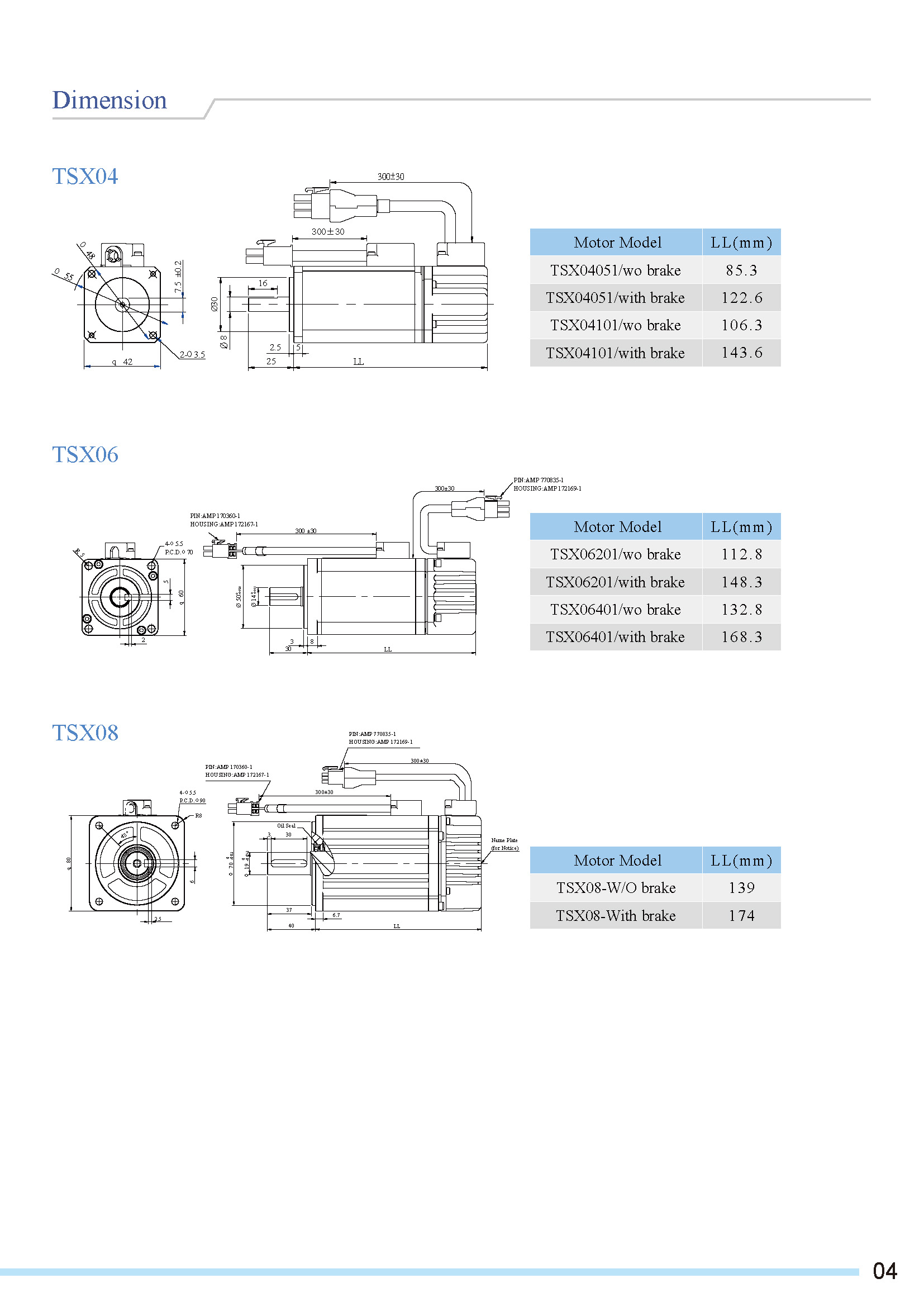
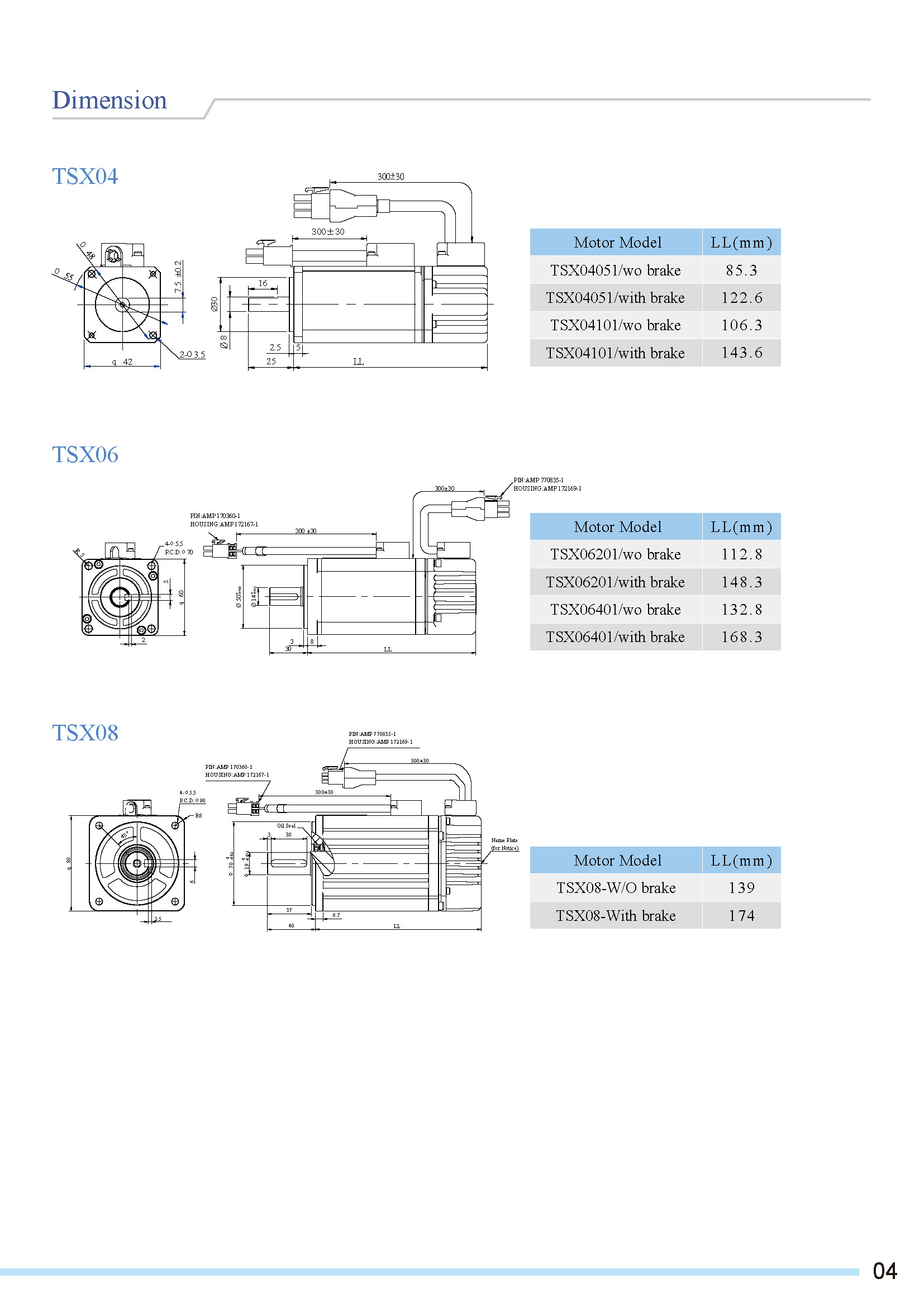
Mounting & Environment: Confirm the motor’s mounting dimensions, shaft size, cooling, and ambient conditions fit your machine design.
Integration with System: Consider how this motor integrates with your automation architecture (communication protocols, safety features, etc.).